Shenandoah
I long to see you…

Truth is, we got jealous.
Turn your mind back to 19th century America. New York, Philadelphia, and DC held most of the country’s population in the haunches of its eastern seaboard and yet the nation’s newest attractions were being created across the plains. The Atlantic side of America was more than a little grumpy that the West was getting all the national parks and we weren’t.
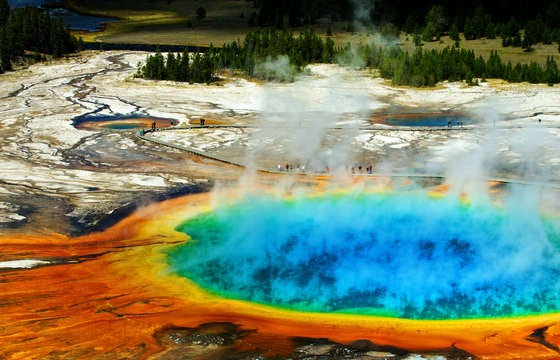
In 1872 the world’s first national park was created, grabbing a big chunk of Wyoming along with some slices of Montana and Idaho. It was aptly, if not creatively, named Yellowstone. The boundaries encompass the Yellowstone Caldera, the largest super volcano on the continent. Well over half the world’s geysers are in this magnificent stretch of land, the outward expression of thermal activity so potent that if it erupted - as it has at times over the last several million years - it would wipe out the entire Northern Rockies. Come to think of it, maybe Yellowstone was created more as a quarantine than a park. Still, it’s gorgeous.
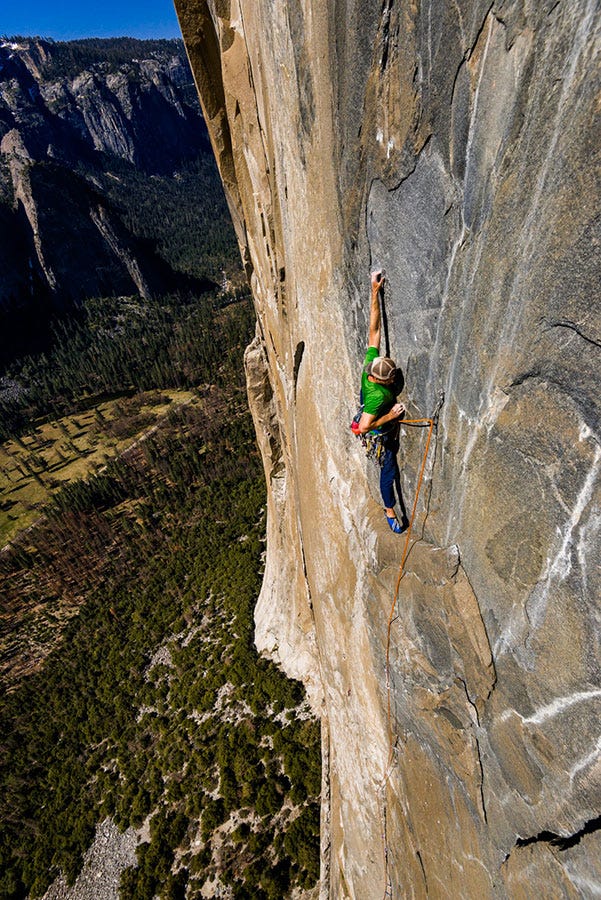
On the heels of Yellowstone came Yosemite in 1890, a place famous for both legendary beauty and climbers with a death wish. (For those National Park buffs and trivia junkies out there: Sequoia National Park was formed a mere 5 days prior to Yosemite, making it the second park and Yosemite the third.)
By 1900 it was clear the East needed to step up. We have the Appalachians, which were, believe it or not, at one point as high as the Rocky Mountains and the Alps. But being one of the oldest geological features on earth they’ve shrunk like an old lady over the last 480 millions years. Time and erosion have turned them from soaring, jagged teeth into a gentle, wooded spine stretching from Georgia to Maine. Virginia looked to its interior, saw the gorgeous Blue Ridge section of the Appalachians and said, “hold my beer, I got this.”
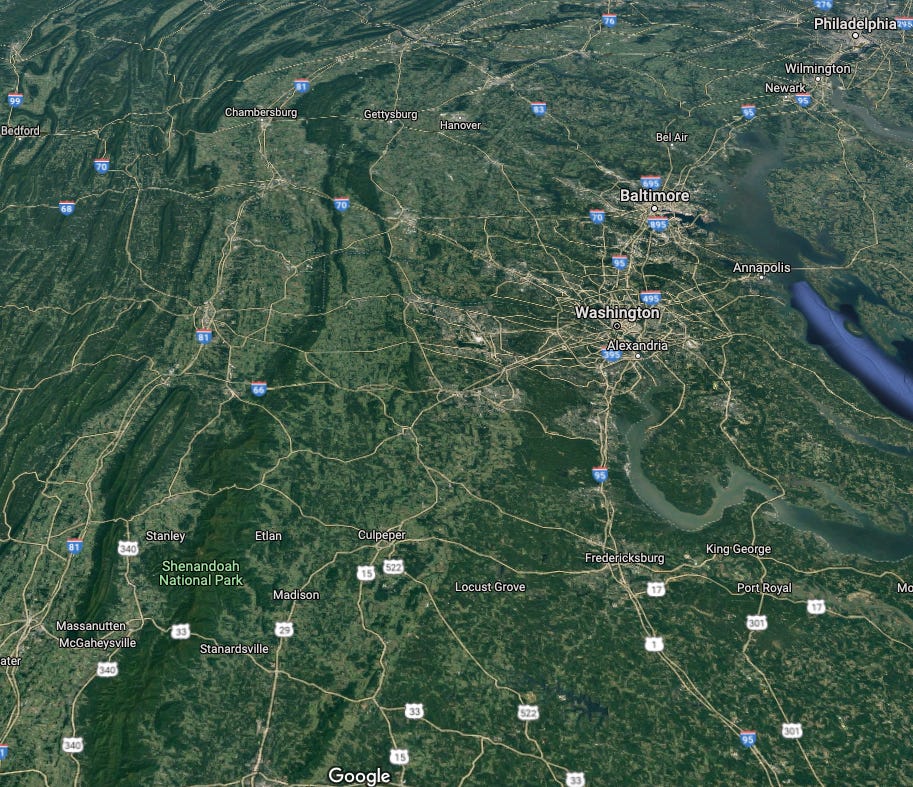
Except they didn’t. See, the first national park in the world was created on top of a friggin volcano with relative ease because almost nobody lived there. Cause it’s, ya know, a volcano. This wasn’t the case in Virginia, or anywhere else near population centers… kind of by definition. Impressively determined, men in Virginia spent over 3 decades from 1901 to 1935 using various strategies to cobble together the long, skinny stretch of land that is now Shenandoah National Park. For the most part they tried to raise money to buy people out of their land, but of course many didn’t want to sell. Eminent domain (a legal tactic where the government is allowed to seize your property) and evictions worked where money and promises did not. It wasn’t always pretty, but the end result sure is. The beautiful map below is from xplorer.
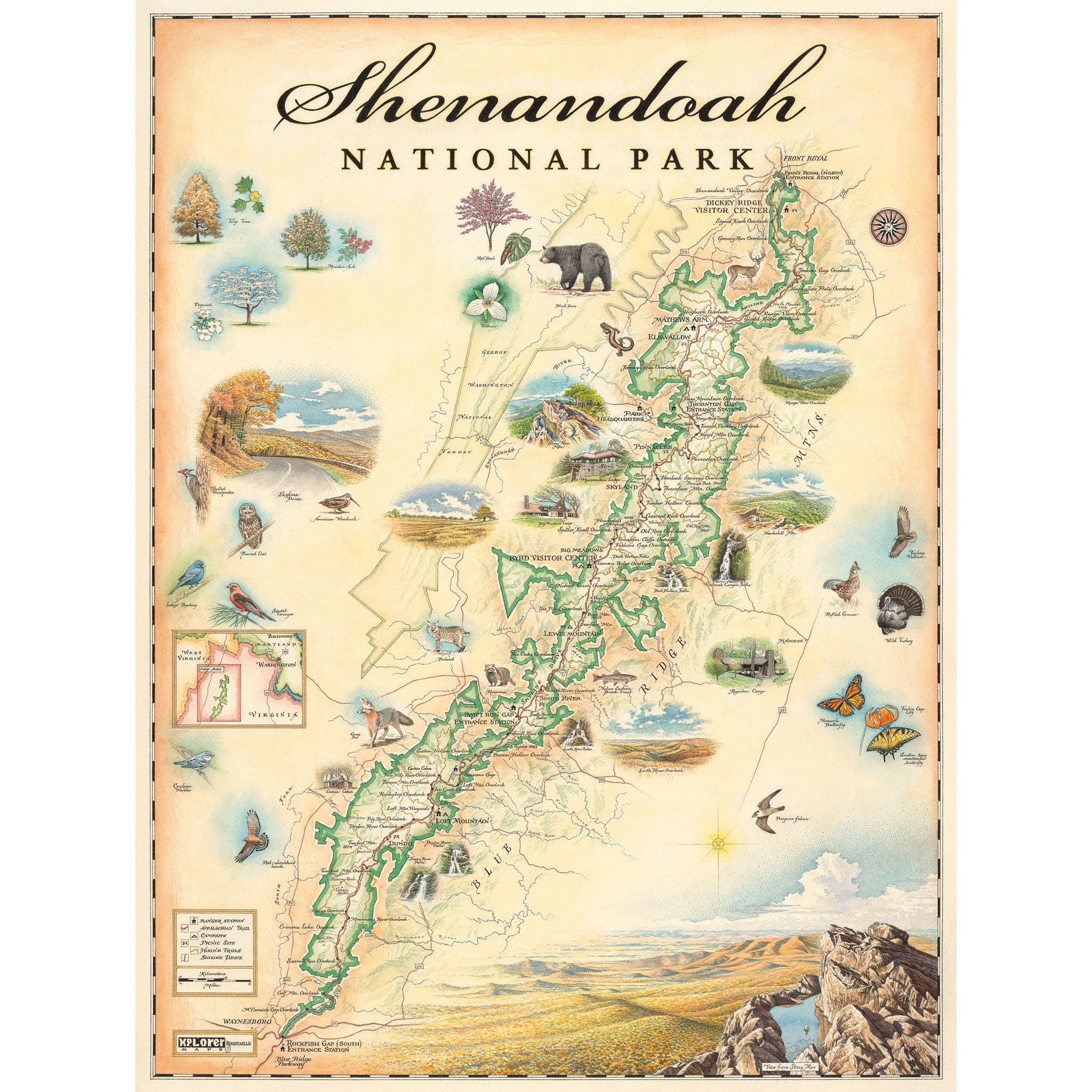
The skinny spit of a park contains lengthy stretches of famous paths. 101 miles of the Appalachian trail run through Shenandoah, which is right next to 105 miles of road called Skyline Drive covering roughly the same territory. Guess which one is used more? #‘MERICA.
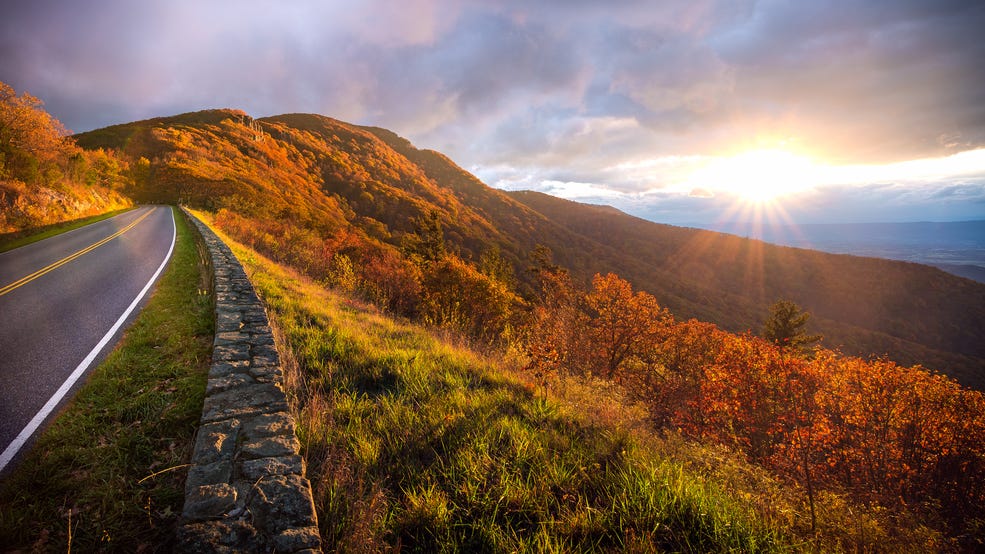
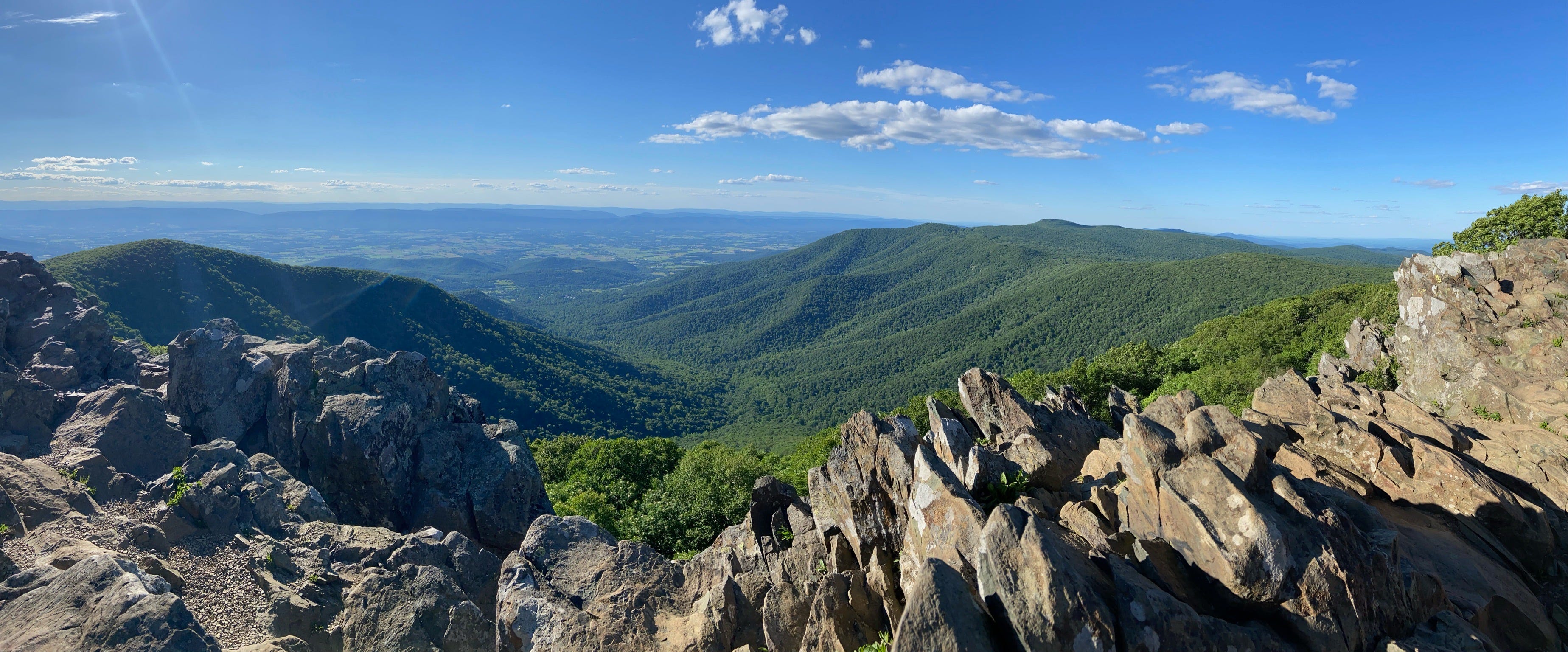
The highest peak is Hawksbill Mountain at 4,051 feet. My friends and family in Montana are giggling as they read that. They way LeBron James would if he heard I’m pleased with my 8 inch vertical leap. But you don’t live in DC to rub shoulders with wild animals (I mean you do, they’re just a peculiar species of barely sentient creatures called politicians) and the fact that this kind of accessible, beautiful escape is there at all is remarkable.
A shot from the peak of Hawksbill Mountain. Photo credit: moi.
As the song says, Shenandoah, I long to see you. Glad you’re within a relatively quick drive of Philadelphia. You may be old and stooped by geological standards, but you’re still beautiful!